 Blog
Blog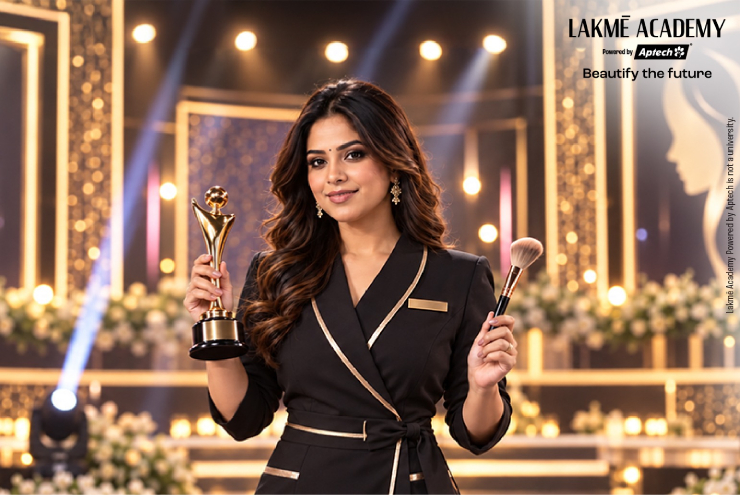
Introduction
An awards show may last only a few hours, but the work behind it begins much earlier. Makeup artists, hairstylists, designers and styling teams have to prepare looks, coordinate with one another and work within a fixed schedule. For a student, seeing that process happen around a live event can be very different from practising the same skills in a classroom.
The SIIMA Awards × Lakmé Academy Powered by Aptech collaboration gives students a chance to experience that environment firsthand. As the official backstage beauty and grooming partner, Lakmé Academy brings selected students into the working space behind the awards, where makeup, hairstyling and styling have to come together before the cameras roll.
Table of Contents
- From the Classroom to the SIIMA Backstage
- What Students Experience at SIIMA
- When Beauty and Fashion Work Together
- Turning Industry Exposure into Career Possibilities
- Building Skills Beyond the Classroom
- FAQs
From the Classroom to the SIIMA Backstage
A classroom gives students room to practise, repeat a technique and make changes. A live awards event works differently. There are people waiting, looks that have to be followed and timings that cannot simply be moved because something takes longer than expected.
At SIIMA, selected LAPA students receive backstage access and set up vanity stations for the work ahead. Their responsibilities can include high-definition red-carpet makeup, structural hairstyling and quick touch-ups during the live event. Their involvement can also extend to the nomination show and pre-parties.
For students interested in Beauty Academy Awards India, this gives a practical picture of what beauty work can look like around a large entertainment event. It is one thing to learn a technique; it is another to use it when a whole team is working towards the same deadline.
What Students Experience at SIIMA
The backstage environment gives students the chance to work around experienced professionals. Under the guidance of industry mentors and trainers such as Subham Jena, student cohorts have assisted with skin preparation and red-carpet glam for personalities including actress Pranitha Subhash.
Another example is the work done alongside fashion designer Samant Chauhan. Students were involved backstage in creating coordinated hair and makeup looks for models presenting his collections during the SIIMA festivities. For someone considering a fashion designer career, seeing this process makes the connection between design and beauty styling much easier to understand.
Student teams also worked around participating label showcases, including House of Messcal. These projects show that a finished look is rarely the work of one person. Makeup, hair, clothing and styling have to make sense together.
When Beauty and Fashion Work Together
A runway or red-carpet look starts with an idea, but it does not end with the outfit. Hair and makeup help shape how the final look is presented. Backstage, each team has its own responsibility, but the work has to come together at the right time.
That is one reason the SIIMA experience can be useful for students thinking about careers in the fashion industry. A student who enjoys makeup may become interested in runway or editorial work, while someone drawn to hair may prefer fashion shows, celebrity styling or shoots.
The same setting can be useful for someone exploring a fashion designer career. Working around a collection shows how design depends on more than the garment itself. Makeup, hair and styling help complete the visual identity that the audience finally sees.
LAPA's wider event exposure supports this picture. Students have also taken part in activities connected with Miss Universe India 2026, Miss Universe Delhi 2026, Alee Club Mr & Miss Teen India and Bombay Times Fashion Week 2025. These events are different, but each gives students another look at how beauty skills are used around an audience or camera.
Turning Industry Exposure into Career Possibilities
The value of the SIIMA experience is not that every student will leave with the same career plan. It is that they get to see several kinds of work happening around them. Someone may enjoy the pace of backstage makeup, while another person may prefer hairstyling, fashion shoots or working closely with a styling team.
That can make careers in the fashion industry feel less like one fixed route. A beauty professional can move between salons, freelance assignments, shoots, pageants, runway work and events as their skills and experience develop.
The SIIMA setting also shows why a fashion designer career can involve close collaboration with other creative professionals. A designer may lead the visual direction of a collection, but the final presentation also depends on hair, makeup and styling.
For anyone researching Beauty Academy Awards India, the wider point is simple: major events bring different creative roles into one place. Watching those roles work together can help students connect what they learn during training with the kind of projects they may want to pursue later.
Building Skills Beyond the Classroom
Industry exposure works best when students already have a solid technical base. They still need to understand their tools and products, practise their techniques and become comfortable with the basics. A live project adds another layer to that training.
At an event, students have to listen, adjust and keep working even when the plan changes. They may be part of a larger team, have less time than expected or need to make a quick correction before a look is presented. Those moments can teach lessons that are difficult to recreate in a practice session.
This is where careers in the fashion industry start to feel more tangible. Students can see the pace of professional work and notice which parts of it suit them. Someone interested in a fashion designer career may pay more attention to the relationship between design and styling, while another student may realise that makeup or hair is where they want to focus.
The SIIMA collaboration is therefore more than a backstage visit. It gives students a chance to see how training is used when the work is real, the schedule is fixed and several creative teams have to depend on one another.
Conclusion
The SIIMA × LAPA collaboration brings classroom learning into a setting where students can see the beauty and fashion industry at work. From red-carpet preparation and hairstyling to designer showcases and celebrity grooming, the backstage environment shows how much goes into the final look.
For students preparing for careers in the fashion industry, that kind of experience can make the next step easier to picture. It does not decide a career for them, but it can help them see the options more clearly and understand where their skills may fit.
FAQs
- What is the SIIMA and LAPA collaboration?
Ans - Lakmé Academy Powered by Aptech serves as the official backstage beauty and grooming partner for SIIMA. Selected students get opportunities to apply their training around a live awards event and work within a professional backstage environment.
- What do LAPA students do backstage at SIIMA?
Ans - Depending on the event requirements, students can work on makeup, hairstyling, skin preparation, red-carpet looks and touch-ups. Their involvement can also extend to the nomination show and pre-parties.
- How can SIIMA exposure help beauty students?
Ans - For students looking at Beauty Academy Awards India, the experience allows them to observe how professional teams communicate, manage timings and respond to changes while preparing real looks. That practical exposure can be useful when exploring different roles.
- Can beauty skills be useful in fashion?
Ans - Yes. Makeup and hairstyling skills can be used for runway shows, editorial shoots, celebrity styling, pageants, red-carpet events and other productions. Students interested in a fashion designer career can also benefit from understanding how these creative roles work together.
- Why is practical experience useful with classroom training?
Ans - Classroom training helps students build technical skills. Live projects add the experience of working with real teams, fixed schedules and changing requirements. For students researching Beauty Academy Awards India, this can provide a clearer picture of how training is used in professional settings.

