 Blog
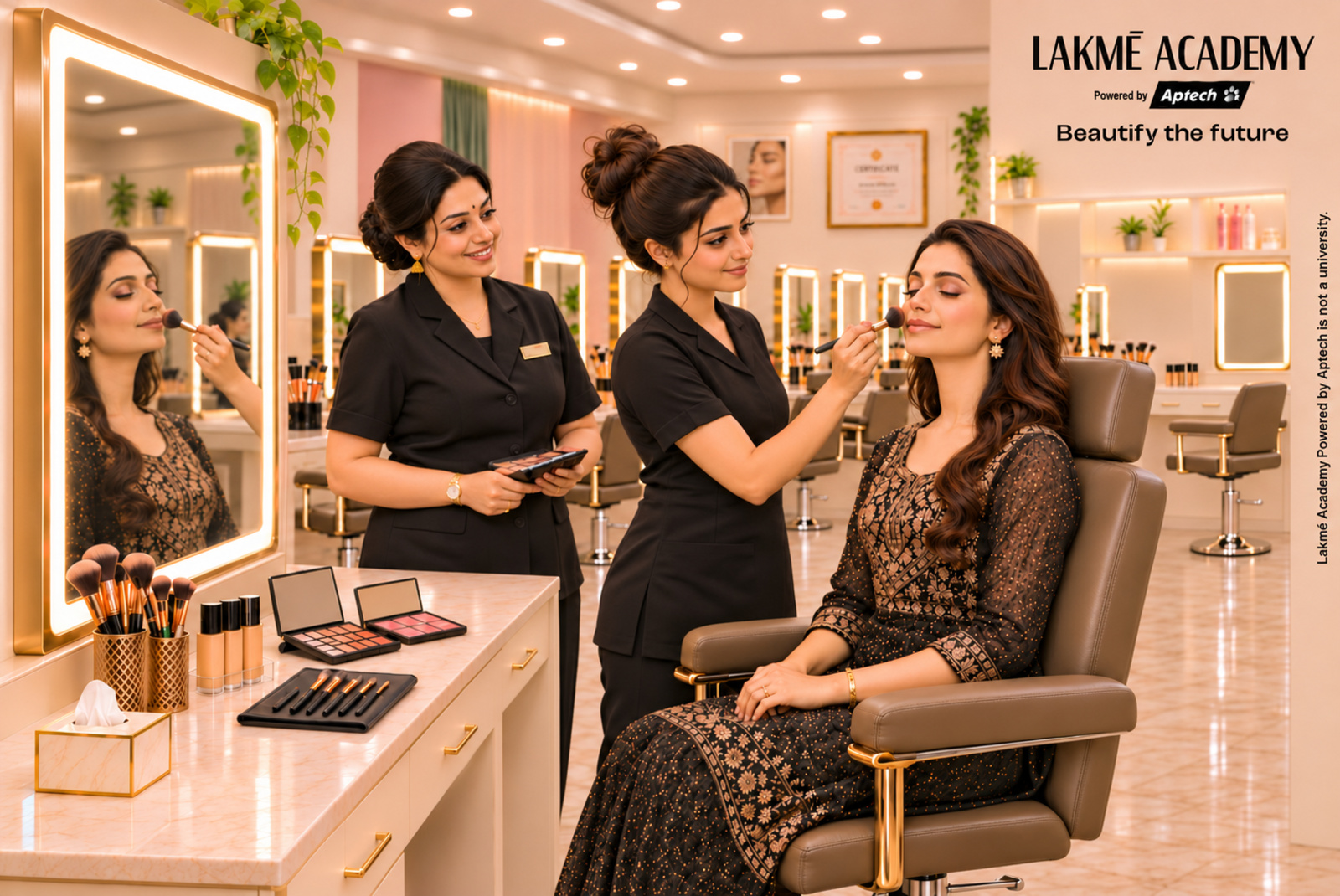
There is often one person in each group who loves to help everyone get ready for a special occasion. This could be picking out their make-up, suggesting hairstyles and doing everyone's make-up. They may not think much of it, but it is something they enjoy doing!
However, this can lead to some interesting outcomes.
When helping your friend get ready, you begin to become interested in make-up, hairstyling and skincare. You start experimenting, learning from your mistakes and noticing the small details. Soon you may wonder if you could do this as a profession.
This is when you start seeing beauty in a different way.
Working with clients is completely different from working on yourself or your friends. Everyone has different needs and requires more than just knowing a few techniques to achieve the desired outcome. You need to have knowledge of skin and hair types, know which products to use and how to adapt your techniques.
Taking a beautician course will teach you all these skills so you can gain a better understanding of what is required to work within the beauty industry.
Table of Contents
- Understanding Skin, Hair and Client Needs
- Mastering Techniques and Making Them Your Own
- Turning Beauty Techniques into Practical Skills
- Beyond Beauty Skills: The Details That Matter
- The Value of Professional Beauty Certifications
- Exploring Different Career Paths in Beauty
- Building Confidence Through Training and Guidance
- From Classroom Learning to Real Client Experiences
- Conclusion
- FAQs
Understanding Skin, Hair and Client Needs
As soon as you walk into a salon, no two clients will be the same.
Dry skin, sensitive skin, thick curly hair, dyed hair.
Quality professional beauty courses will teach you how to understand:
- Different skin types and hair types
- How products work
- Basic hygiene and safety
- Understanding client needs
- When to adapt a technique
As a client you'll see the end result but as a professional you'll need to understand everything that goes into it.
Mastering Techniques and Making Them Your Own
If you've ever tried following tutorials you'll know there's a reason they can only take you so far.
You may have a bride who shows you her reference image that she has saved for months. Whilst she loves it, the colours may not match what she is wearing or the base may not be right for her skin.
Just replicating it won't be great.
You'll need to understand what she likes about it and incorporate it into her look.
The same applies to hair. You may need to consider:
- Texture and condition
- Face shape
- Previous treatments
- How they style their hair every day
- How much maintenance they want
As you learn and practise, this skill will develop. The right beauty courses should help you understand the technique well enough to know when to adapt.
Turning Beauty Techniques into Practical Skills
Sometimes techniques can look easy.
Once you try it, everything goes wrong!
Your liner is uneven, your section is too thick and your product isn't blending.
By practising you'll become more confident with the tools, you'll be able to replicate techniques, correct any mistakes and gradually speed up.
When comparing professional beauty courses, it's important to look for hands-on practice. This will allow you to become more confident with the tools and eventually not think about what you're doing. This means you can focus more on your client.
Beyond Beauty Skills: The Details That Matter
You won't be putting clean brushes in your portfolio.
However, a client will notice if they aren't clean.
Whilst hygiene, communication and consultation may not seem as exciting, it is a part of a professional role.
You need to know how to:
- Keep your tools and workstation clean
- Communicate effectively
- Ask the right questions
- Be able to explain when something may not work
- Make clients feel comfortable
Although they'll remember the end result, they'll also remember how they felt in your chair.
Something worth considering when comparing beauty courses. Whilst technical skills are important, it's also good to learn how to work with people.
The Value of Professional Beauty Certifications
When starting out, you may not have years of experience with clients or a large portfolio.
A beauty course certificate can show you've had structured training. However, don't just choose a course because it gives you a certificate at the end.
Consider:
- What will I learn?
- How much hands-on practice will I get?
- Will I be practising techniques?
- Who will be training me?
- What should I be confident doing?
Different beauty parlour certificates may cover different aspects of beauty. A beauty course certificate will mean more when you have hands-on skills.
With Lakmē Academy Powered by Aptech you'll be trained in various aspects of beauty so you can choose what you want to focus on developing.
Exploring Different Career Paths in Beauty
You don't need to know exactly where you'll be in 10 years.
Your first beautician course will give you a start. Depending on your interests and training, you may decide to focus on:
- Make-up & Bridal
- Hair & Salon
- Skin & Beauty
- Nail
- Freelance
- Salon Management
- Beauty Education
- Entrepreneurship
You may start off with one interest but discover another when you start working. This is totally normal!
When comparing beauty courses, consider what you'll learn, how much hands-on practice you'll get and whether the training matches the work you want to do.
It can also be useful to compare what training you'll get with different beauty parlour certificates.
Building Confidence Through Training and Guidance
Something you may not realise is that you'll become more confident with people.
At first it can be daunting to speak to your client. What should I ask? How do I explain the reference may need changing?
With practice and the right guidance, this will become easier.
Your trainer will pick up on things you may not. You can watch a technique online but a video can't watch you do it and tell you that you're holding your tool wrong or using too much product.
This feedback is important.
The right professional beauty courses will allow you to practise, ask questions and correct little habits. Over time you'll improve your:
- Communication
- Professionalism
- Confidence in your decisions
- Patience & Listening
- Ability to stay calm when things change
Whilst your personality won't suddenly change, you'll become better at what you do which can change how you present yourself professionally.
From Classroom Learning to Real Client Experiences
Even though you've had training, real clients will teach you new things.
Your first few services may take longer than expected. You may doubt yourself and things may not go as planned. However, slowly you'll start to feel more confident.
You'll ask better questions, your hands will be steady and you'll pick up on issues quicker. You'll also trust your judgement.
Eventually a client will come back and ask for you specifically.
This may seem like a small thing but it's an important one!
This is how your career will grow. By improving your skills, practising and earning your clients' trust enough that they come back. A good beautician course will give you a foundation. The right professional beauty courses will give you structured training and guidance but your knowledge will continue to grow with experience.
Conclusion
It's Only The Beginning
Even if you do everything exactly right the first time you attempt a new make-up technique or haircut, you may find that you still have a little more to do to perfect it.
As you go through your training, you will begin to understand which products work well and which techniques work better for certain clients. You will feel more confident asking questions, giving ideas and making choices.
Although you gain a good base of knowledge whilst completing your beautician course, there are many situations you won't come across. This means some things will become clearer when you actually start working with real clients.
You may realise that you love doing bridal make-up, or perhaps you become interested in skincare or realise that you have a real flair for hairstyling.
You don't need to know where you want to end up. Give yourself the opportunity to learn, practise and find out what area of beauty you love working in the most.
FAQs
- Why is it important to know when to say no to clients?
Ans - Sometimes you won't be able to give the client exactly what they want. It may not be suitable for their hair or skin or the reference may need adapting. Sometimes providing a good service means suggesting something better and explaining why.
- Can how I communicate with clients impact how good my work is?
Ans - Yes. Words such as natural, short or something different can mean different things to different people. Asking a few good questions can help you understand what they really want.
- Can a beauty course make me unlearn things?
Ans - Yes. You may have developed some bad habits from tutorials or practising on yourself whilst taking a beautician course. With guidance you'll start to realise where you can improve your technique or how you hold your tool. Sometimes improving means letting go of old habits.
- Why would clients go back to the same beautician even though there are cheaper options?
Ans - Skills are important but so is trust. Clients will remember someone who understands their preferences, keeps things clean and makes them feel comfortable. Whilst you may get one client, you want them to have a reason to come back.
- Can learning beauty change how I notice things?
Ans - Yes. Once you understand more about skin, hair, colours and consultations you'll start to realise why certain choices work. Good beauty courses will train your eye.
- Is there anything a beauty course cannot fully teach me?
Ans - Your personal style. Whilst training will give you technique, practice, guidance and a beauty course certificate, your personal style will develop with experience.
- Do all beauty parlour certificates mean the same?
Ans - Not necessarily. Two beauty parlour certificates may seem the same but the training could be very different. A beauty course certificate only tells part of the story. Instead, consider what you learnt and practised to gain the certificate.

